Flowers
Key Notes :
Definition of Flowers:
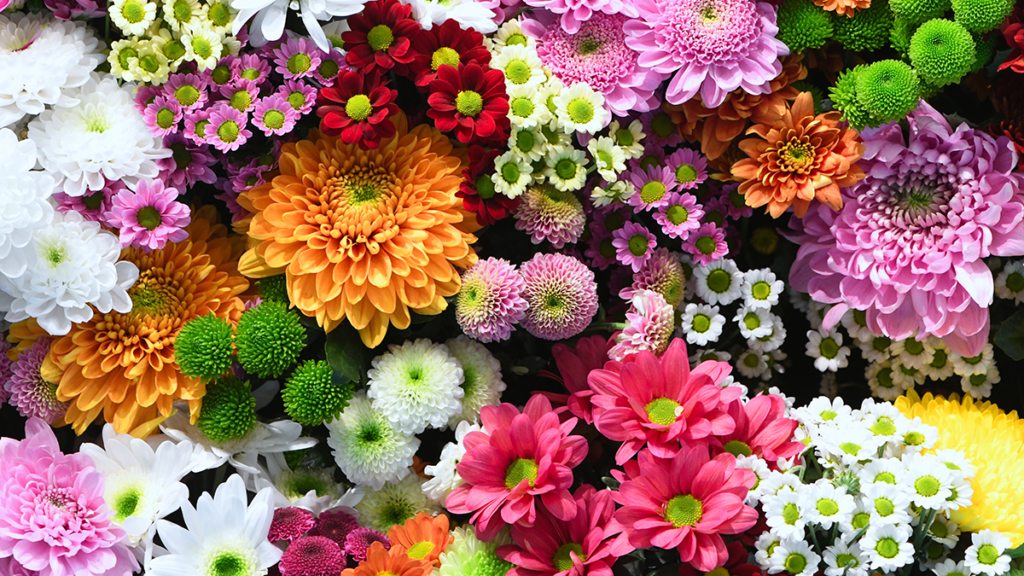
- Flowers are the colorful and beautiful parts of a plant that help it reproduce.
Parts of a Flower:
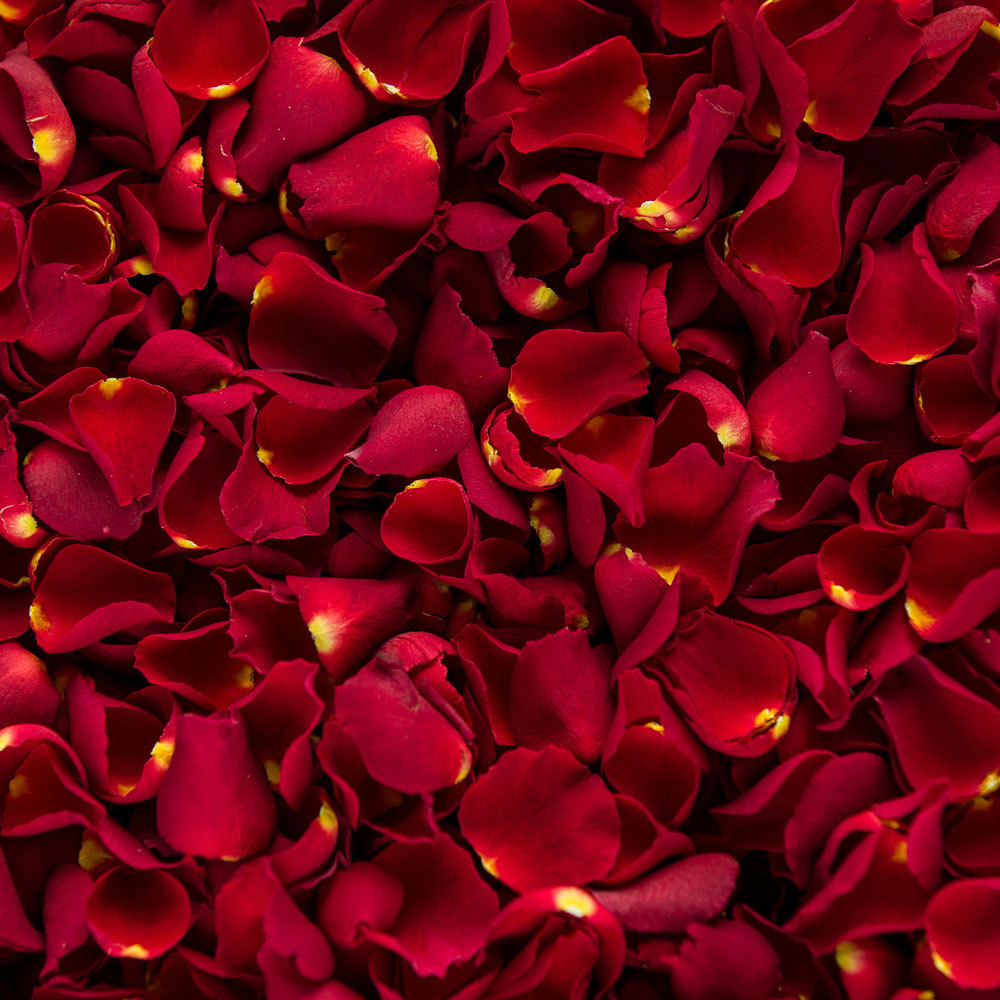
- Petals: Brightly colored parts that attract insects.
- Sepals: Green leaf-like parts that protect the flower bud.
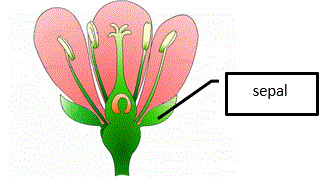
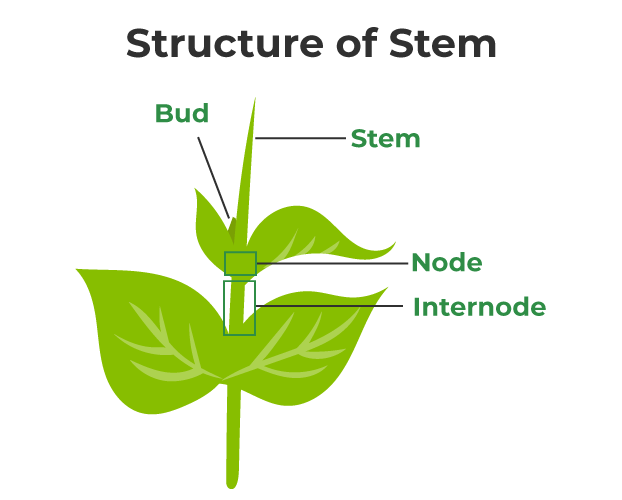
- Stem: Supports the flower and carries water and nutrients.
- Pollen: Dust-like particles inside the flower that help make seeds.
Functions of Flowers:
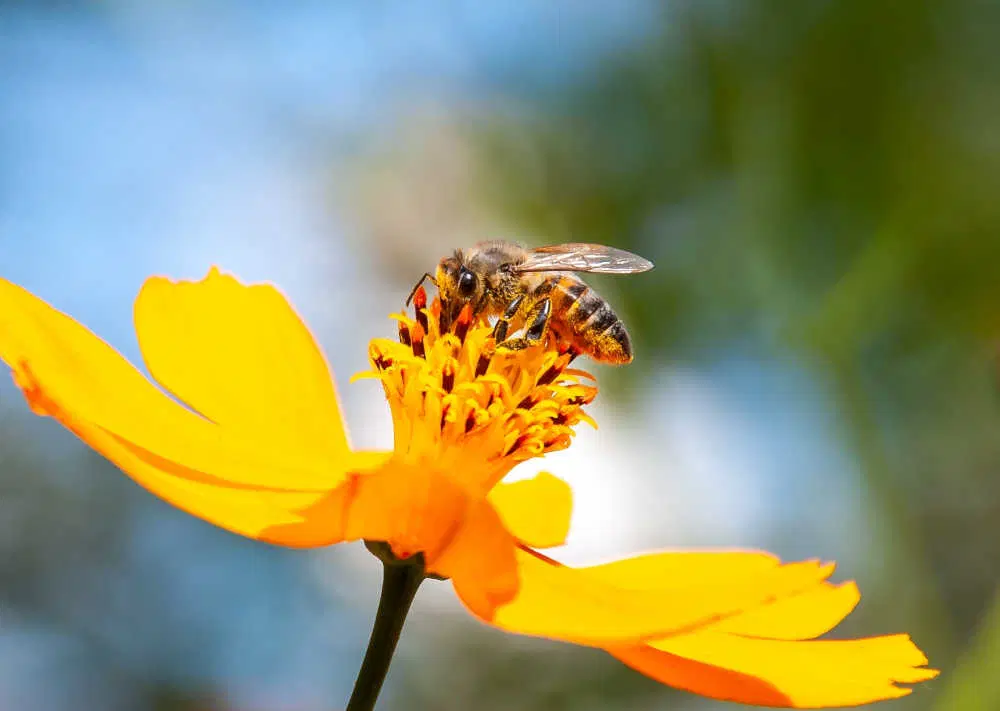
- Help plants make seeds for reproduction.
- Attract bees, butterflies, and other insects for pollination.
Different Types of Flowers:
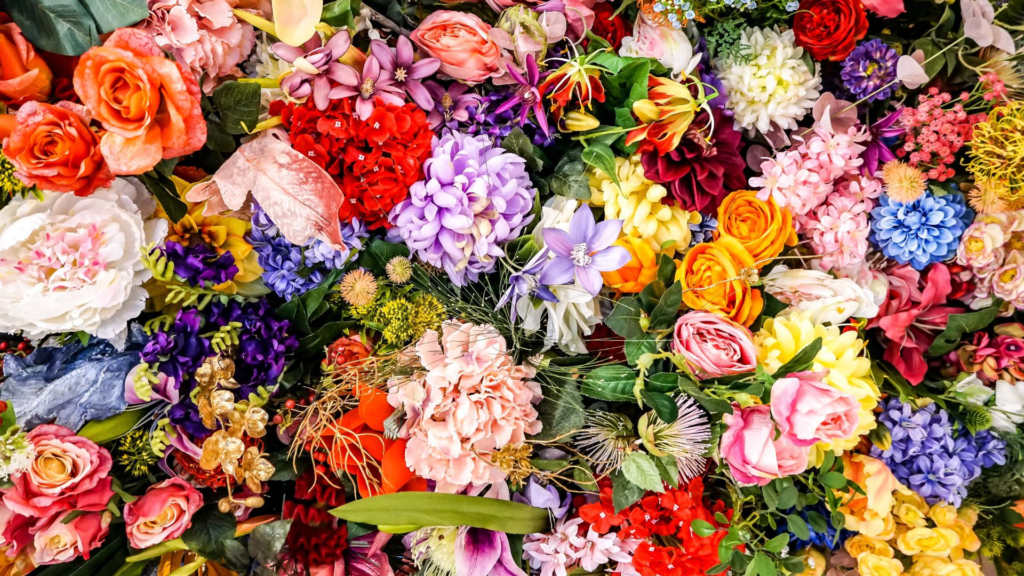
- Roses, sunflowers, tulips, daisies, and lotuses are examples of flowers.
- Flowers can grow in gardens, forests, and fields.
Colors and Shapes:
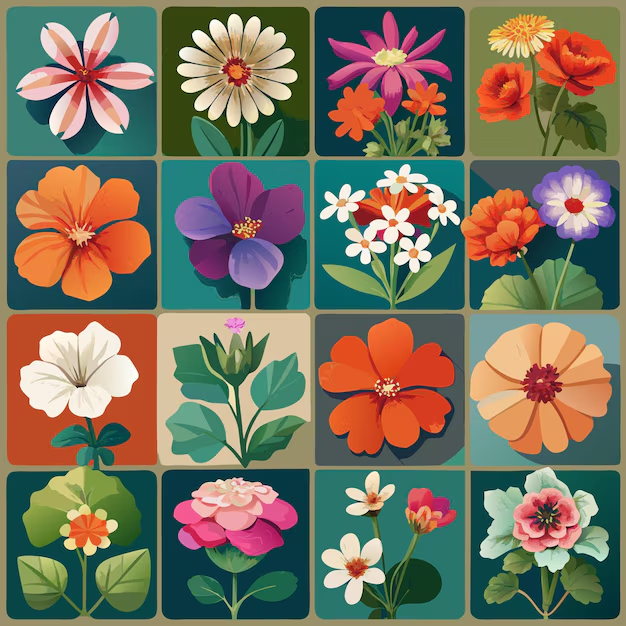
- Flowers come in many colors like red, yellow, blue, pink, and purple.
- They can be round, star-shaped, or have unique patterns.
Importance of Flowers:
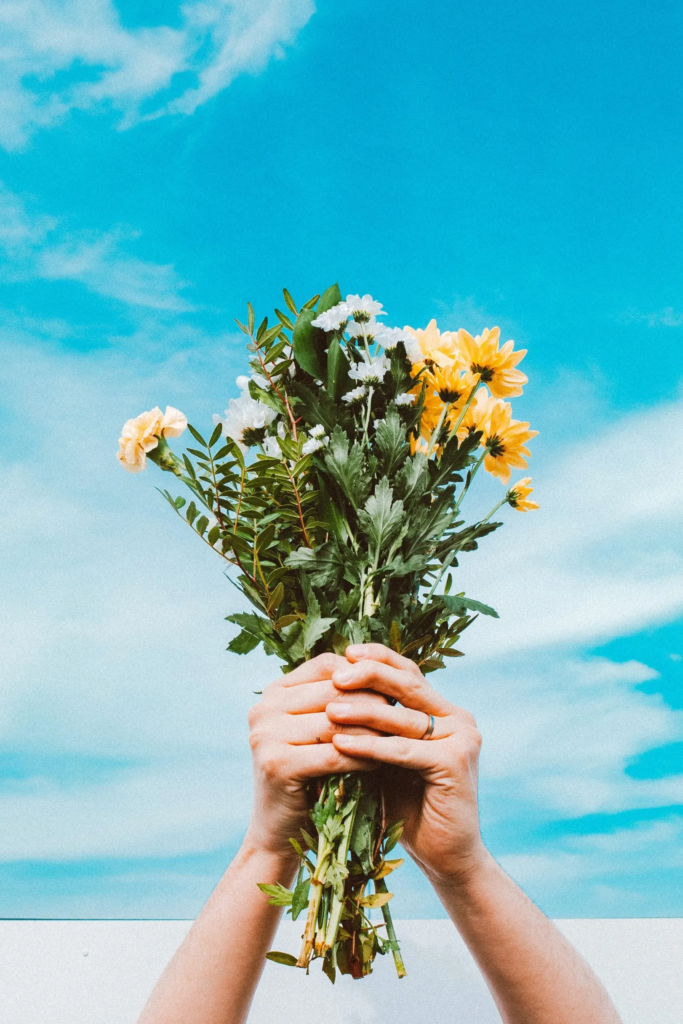
- Flowers are used for decoration, gifts, and making perfumes.
- Some flowers, like marigolds and tulips, are used in festivals and ceremonies.
Flowers in Nature:
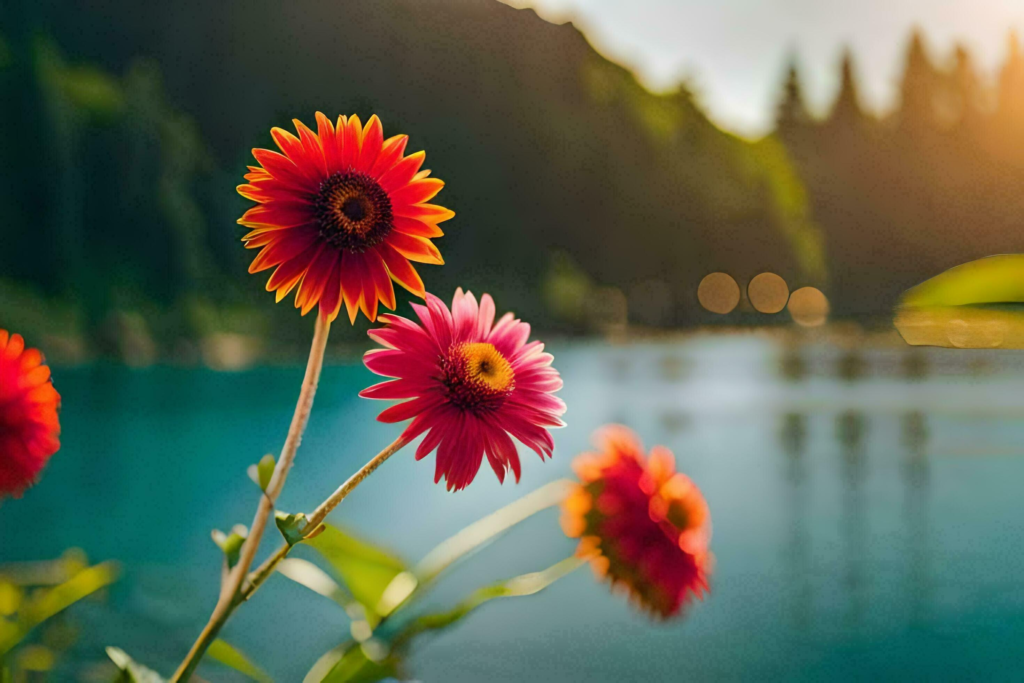
- Bees and butterflies visit flowers to collect nectar and help pollinate them.
- Pollination helps new flowers grow.
Fun Facts:
- Sunflowers turn their heads to follow the sun.
- The world’s largest flower is the Rafflesia, which can grow up to 3 feet wide.
Let’s practice!🖊️